
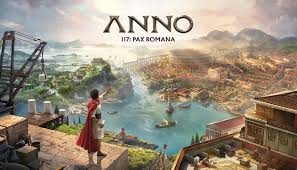
Anno 117 Store Secrets: How to Maximize Profits in This Game
Running a thriving business in Anno 117 Store can feel like a high‑stakes puzzle, but the right strategies turn every decision into profit. Whether you’re a newcomer or a seasoned tycoon, understanding the subtle levers that drive revenue will keep your cash flow humming and your empire expanding. This guide uncovers the hidden odds and practical tips you need to maximize profits and dominate the market.
Anno 117 Store: Mastering Profit Strategies
The first step is to grasp how the store’s economy works. Every product you stock follows a supply‑and‑demand curve that reacts to player actions and AI competition. Production costs, transport fees, and storage limits all impact your bottom line. By tracking these variables in real time, you can adjust output before waste piles up, ensuring that each unit sold adds to your net profit rather than draining resources.
Understanding the Anno 117 Store Mechanics
At its core, the store operates on three pillars: production speed, product variety, and market price elasticity. Faster factories lower unit costs, while a broader catalog attracts more customers. However, flooding the market with low‑margin items can trigger price drops, eroding profit margins. Use the in‑game analytics panel to monitor which goods generate the highest margin per hour and prioritize those in your production queue.
Another key mechanic is the demand cycle. Seasonal events and AI events temporarily boost demand for specific goods. Timing your production spikes to coincide with these events can double or even triple your earnings for a short window. Set reminders for upcoming festivals or resource shortages, and stock up accordingly.
Optimizing Production Lines for Maximum Profit
Efficiency starts with layout. Place resource extractors close to processing facilities to cut transport time. Use conveyor belts or cargo drones strategically; the saved minutes add up across thousands of cycles. Upgrade your conveyors only after you’ve saturated the line with raw materials—otherwise you’ll waste upgrade costs on idle capacity.
Next, balance your workforce. Overstaffed factories increase wages without improving output, while understaffed ones stall production. The store’s staffing UI lets you fine‑tune employee allocation. Aim for a staffing ratio that keeps each workstation operating at 85‑90% capacity; this sweet spot maximizes output while keeping labor costs low.
Strategic Pricing and Market Demand
Pricing isn’t a set‑and‑forget task. The Anno 117 Store AI constantly scans competitor prices and adjusts its own buying patterns. Implement dynamic pricing by monitoring competitor listings and adjusting your own prices in small increments—usually 2‑3% changes are enough to stay competitive without triggering a price war.
Consider tiered pricing for premium products. Offer a basic version at a lower price point to attract volume sales, then introduce a deluxe version with added features or faster delivery at a higher margin. This approach captures both budget‑conscious shoppers and high‑spending customers, expanding your overall revenue base.
Utilizing Upgrades and Expansions
Invest in research that unlocks faster production technologies, more efficient storage, and advanced logistics. Each upgrade has a cost‑benefit curve; prioritize those that reduce per‑unit costs or increase sales velocity. Expanding your store’s footprint into new districts also opens fresh customer bases, but only after you’ve saturated existing markets to avoid diluting demand.
Don’t overlook the power of marketing. In‑game advertising boosts foot traffic and can temporarily raise demand for specific items. Allocate a modest portion of profits to targeted ads during high‑margin product launches; the short‑term expense often pays for itself within a few cycles.
Final Tips and Common Pitfalls
Regularly audit your profit margins. A quick spreadsheet of income versus expenses can reveal hidden losses, such as excessive energy consumption or unexpected storage fees. Address these issues promptly to keep your cash flow healthy.
Avoid the temptation to chase every new product trend. Diversification is valuable, but spreading resources too thin reduces overall efficiency. Focus on a core set of high‑margin goods, then expand gradually as your infrastructure stabilizes.
Lastly, stay adaptable. The Anno 117 Store environment evolves with player actions, AI behavior, and seasonal events. By keeping a finger on the pulse of market shifts and adjusting your strategies in real time, you’ll not only survive but thrive, turning every opportunity into a profit surge.


