
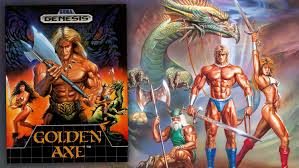
Golden Axe Exploring the Influence of Fantasy Tropes in Classic Gaming
Golden Axe: Exploring the Influence of Fantasy Tropes in Classic Gaming
Released in 1989 by Sega, Golden Axe quickly became a hallmark of fantasy-themed gaming. An arcade beat 'em up game, it supported co-op play, allowing up to two players to fight together against an onslaught of enemies. Its iconic fantasy elements, including a mix of mythical creatures, magic spells, and classic adventurer archetypes, have significantly influenced the gaming landscape, becoming a foundational example for subsequent fantasy games. In this blog post, we delve into how Golden Axe employed these fantasy tropes and shaped the gaming genre.
The Fantasy World of Golden Axe
Golden Axe is set in a vividly designed world that showcases the typical medieval fantasy setting, heavily inspired by the likes of Dungeons & Dragons. Players can choose from three distinct characters—Ax Battler, Tyris Flare, and Gilius Thunderhead—embodying the typical archetypes of a warrior, a magic user, and a dwarf, respectively. The presence of mythical creatures like skeletons, trolls, and the magical beast mounts used during gameplay gives players an experience laden with fantasy elements that resonate with traditional lore. This clever integration of well-known fantasy tropes contributed to the immersive gameplay, inviting players to engage deeply with the setting.
Character Development and Magical Elements
In Golden Axe, each character comes equipped with unique abilities that reflect their archetypal backgrounds. This approach not only enhances the individual gameplay experience but also showcases a structured system reminiscent of classic tabletop role-playing games. The use of magic spells, which players can acquire throughout their journey, introduces a strategic layer that is key in overcoming particularly tough opponents. This mechanic serves as an early precursor to what would later evolve into more complex magic systems in contemporary fantasy games, where magic plays a central role in character development and gameplay dynamics.
The Legacy of Golden Axe in Gaming Culture
The influence of Golden Axe is palpable in many modern games. Its unique blend of co-op gameplay, character classes, and immersive environments paved the way for later adaptations and iterations in both arcade and console gaming. The game remains a nostalgic artifact, often celebrated in various retrospectives highlighting the golden age of arcade gaming. Additionally, with the emergence of better technology, elements from Golden Axe have been refined and reimagined, leading to franchises that pay homage to this classic. This evolution is seen in various titles, where co-op multiplayer and fantastical world-building are staples derived from Golden Axe's foundational structure.
Golden Axe store: A Treasure Trove for Fans
In appreciation of its enduring legacy, fans can discover a range of merchandise at the Golden Axe store. This store serves as a hub for enthusiasts looking to celebrate their love for the game. From collectible figurines and digital downloads of the title to apparel showcasing the game's iconic characters, the store encapsulates the spirit of Golden Axe while bringing together a community of fans. The thriving market for nostalgia-driven merchandise illustrates how Golden Axe not only shaped gaming in its time but continues to inspire passion and creativity within the gaming community today.
In conclusion, Golden Axe is more than just an iconic arcade game; it is a rich tapestry woven with traditional fantasy tropes that have influenced countless titles in gaming history. The characters, magic systems, and level designs provide a framework that still resonates in today's gaming culture. As we revisit these classic gems, we gain a deeper understanding of their impact and the evolution of fantasy tropes in the industry.


