
Is Rhythm Witch Beat Death Shop the Next Indie Hit?
Indie gaming enthusiasts are always on the lookout for the next title that blends fresh mechanics with a compelling narrative, and the buzz around Rhythm Witch Beat Death Shop is hard to ignore. From its quirky premise—where a witch crafts beats while navigating a haunted store—to its promise of tightly synced rhythm challenges, the game seems poised to capture both casual players and hardcore rhythm fans. But does it have what it takes to become an indie hit? Let’s explore the elements that could propel this title into the spotlight and what makes it stand out in a crowded market.
What Sets Rhythm Witch Beat Death Shop Apart?
The core concept of Rhythm Witch Beat Death Shop is its unique mash‑up of rhythm gameplay and horror aesthetics. Unlike typical rhythm games that focus solely on music, this title integrates a narrative about a witch who must assemble and sell enchanted tracks to appease restless spirits. This storytelling layer adds depth, giving players a reason to progress beyond high scores. The blend of dark humor, clever level design, and a constantly evolving soundtrack creates a fresh experience that feels both familiar and entirely new.
Another differentiator is the game’s adaptive difficulty system. As players improve, the witch’s shop expands, introducing new instruments and ghostly customers that demand more complex beats. This scaling keeps the challenge fresh without alienating newcomers, a balance that many indie titles struggle to achieve. The result is a game that feels rewarding at every skill level, encouraging players to keep coming back for more.
Gameplay Mechanics That Capture Indie Audiences
At its heart, Rhythm Witch Beat Death Shop employs precise timing mechanics that reward accuracy and creativity. Players tap, swipe, and hold to the beat, while simultaneously managing inventory and satisfying ghostly patrons. This multitasking element adds a strategic layer rarely seen in rhythm games, appealing to players who enjoy both reflex‑based and puzzle‑oriented gameplay.
The control scheme is deliberately minimalist, supporting both keyboard and controller inputs. This accessibility ensures the game can be enjoyed on a wide range of platforms, from PCs to consoles. Moreover, the inclusion of a practice mode lets players experiment with different beat patterns without the pressure of instant failure, a feature that fosters a supportive learning environment—a hallmark of successful indie projects.
Art Style and Soundtrack: A Perfect Match
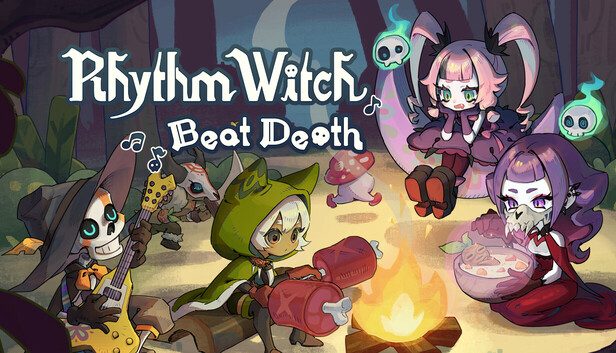
The visual design of Rhythm Witch Beat Death Shop embraces a hand‑drawn, animated aesthetic that feels both nostalgic and modern. Dark, atmospheric backgrounds contrast sharply with vibrant, glowing musical notes, creating a visually striking experience that draws players into the witch’s eerie shop. Each level’s art evolves as the shop expands, delivering a sense of progression that mirrors the musical growth.
Equally impressive is the soundtrack, which blends electronic beats, spooky chiptune melodies, and occasionally, distorted acoustic instruments. This eclectic mix not only complements the game’s theme but also showcases the talent of independent composers. The music reacts dynamically to player performance, intensifying during perfect combos and easing back during mistakes, reinforcing the immersive rhythm experience.
Market Potential and Community Reception
Early access feedback indicates strong enthusiasm from both rhythm game veterans and indie game fans. Communities on platforms like Discord and Reddit have praised the game’s originality, with many expressing excitement about upcoming DLC that promises new ghost characters and musical genres. This organic word‑of‑mouth marketing is a powerful driver for indie success, often outweighing traditional advertising.
From a commercial standpoint, Rhythm Witch Beat Death Shop benefits from a modest development budget and a clear niche target. By pricing competitively and offering frequent updates, the developers can maintain player interest and generate steady revenue. Additionally, the game's cross‑platform potential opens doors to console releases, streaming events, and even e‑sports showcases centered around high‑score battles.
In conclusion, Rhythm Witch Beat Death Shop possesses a compelling blend of innovative gameplay, distinctive art, and an engaging soundtrack that together form a solid foundation for indie success. Its ability to cater to both rhythm enthusiasts and narrative‑driven gamers positions it well within the indie market. While only time will tell if it becomes the next breakout hit, the game’s current trajectory suggests it’s more than capable of earning a dedicated following and possibly redefining the rhythm genre for indie developers.


