
Old World vs. Civilization How Does It Compare?
When exploring the realms of strategy games, two titles often come to mind: "Old World" and "Civilization." Each brings unique gameplay mechanics, rich historical narratives, and captivating strategic elements to the table, but how do they truly compare? This blog will delve into the intricacies of both games, examining their core features, strengths, and weaknesses, while also touching on how "Old World Merch" has become a popular addition for fans of the game.
A Deep Dive into Gameplay Mechanics
"Civilization," the long-standing titan of the turn-based strategy genre, emphasizes an across-the-ages progression where players guide a civilization from the ancient to the modern age. It allows extensive customization of leaders and strategy approaches, making each playthrough feel unique. The complexity grows as you engage in diplomacy, warfare, and technology, alongside managing resources and cities. The latest iteration, "Civilization VI," has introduced new mechanics such as district-based city building and more complex diplomatic relations, reshaping player interactions and creating a more dynamic world.
Old World: A New Approach to Strategy
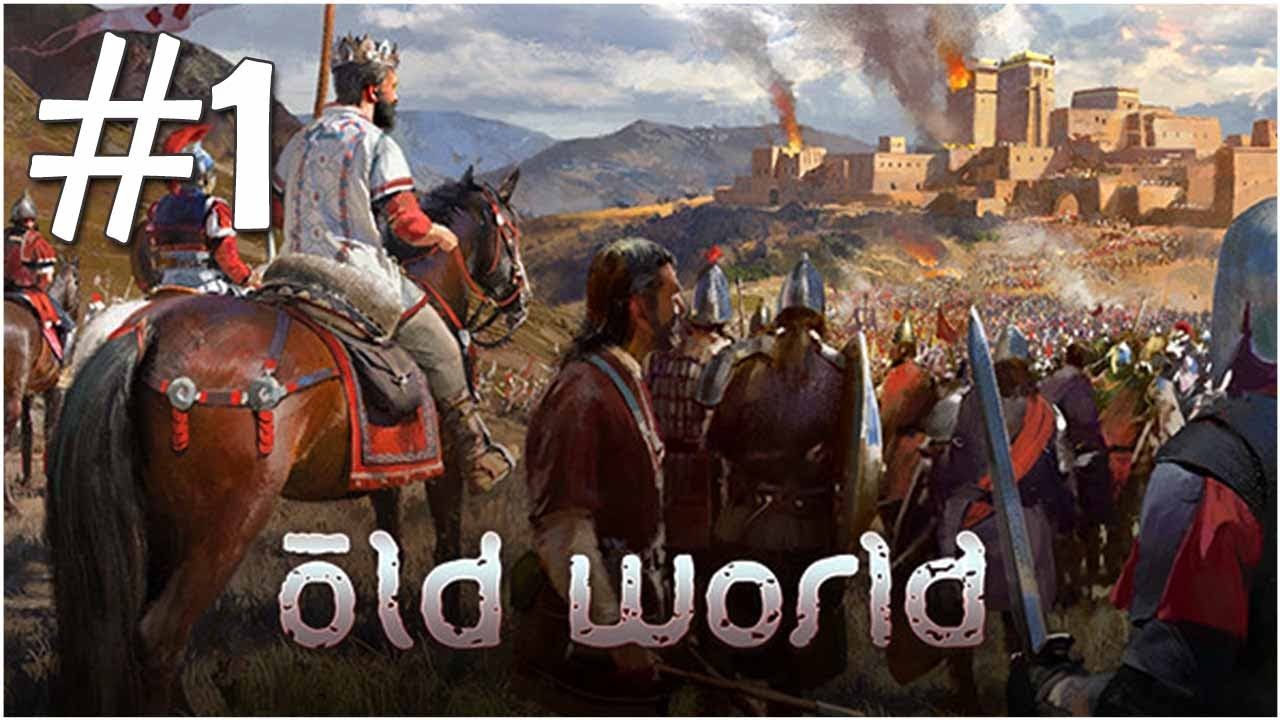
On the other hand, "Old World" shifts focus slightly, placing an emphasis on the familial and dynastic elements of leadership. Set in the ancient Mediterranean, players navigate not only the strategic aspect of empire-building but also the interpersonal dynamics of managing a family lineage. Each character has unique traits, skills, and even relationships that can dramatically influence the game’s outcome. The game incorporates events that can alter the course of history, and it allows for a more personal feel to strategy as players prioritize their leaders' legacy along with their civilization’s development.
Visuals and Presentation: Aesthetic Differences
When it comes to visuals, both titles have distinct art styles that cater to different preferences. "Civilization" boasts a more vibrant, detailed aesthetic that highlights the differences between each civilization, with rich animations and immersive landscapes. The user interface is designed to provide ample information at a glance, making it easier for players to manage their burgeoning empires. Conversely, "Old World" utilizes a more minimalist aesthetic influenced by historical accuracy, presenting a palette that evokes the ancient world while focusing on clarity and functionality away from flashy animations. Players fond of a more grounded look may prefer this approach, which enhances the historical immersion without overwhelming detail.
The Community and Merchandising Aspect
The burgeoning community surrounding these games can also influence their lasting impact. Merchandise surrounding "Old World," such as themed apparel and collectibles, has begun to emerge, catering to devoted fans. "Old World merch" reflects not only the game’s distinct art style but serves as a means for players to express their affiliation and passion for the title. This community engagement highlights a growing trend wherein players desire tangible representations of their favorite games, further intertwining the experience with real-world connections. In contrast, "Civilization" has a much larger pool of merchandise available due to its extensive history and broad appeal, featuring anything from board games to apparel.
Conclusion: A Matter of Preference
In conclusion, whether one prefers "Old World" or "Civilization" may ultimately boil down to personal preferences in gameplay features and aesthetic presentation. "Civilization" remains a comprehensive experience with its vast-scale strategy and intricate mechanics, while "Old World" offers a refreshing take by intertwining family dynamics and history. Both games hold unique places in the world of strategy gaming, captivating players through their respective approaches. As more fans engage with these titles, the discourse around gameplay, merchandise, and community involvement will only continue to grow, underscoring the enduring appeal of strategy gaming.


