
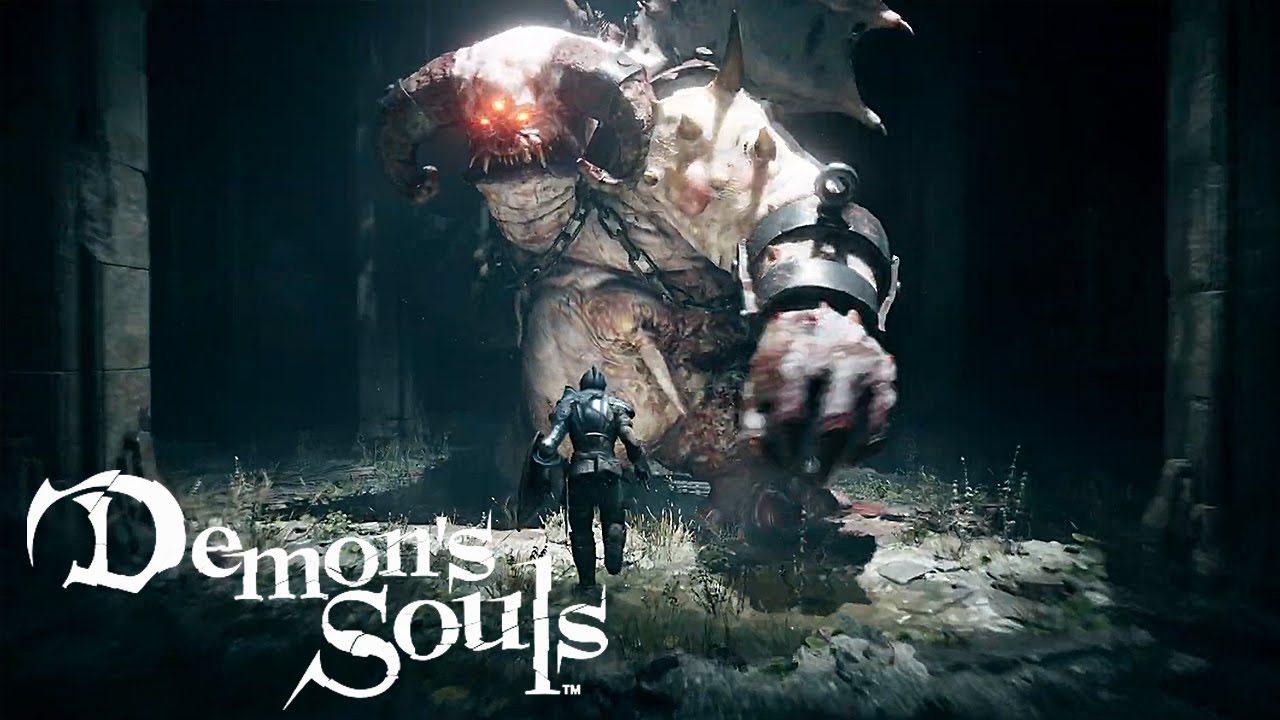
The Philosophy of Souls What Demons Souls Teaches Us About Life and Death
The world of video games often serves as a canvas for exploring deeper themes and philosophical questions. One game that transcends the typical action RPG genre to delve into the complexities of human existence is Demon’s Souls. Released by FromSoftware, it not only captivates players with its challenging gameplay but also invites them to reflect on profound concepts surrounding life, death, and the nature of the soul. Through its richly designed universe and intricate narrative, Demon’s Souls serves as a poignant allegory about the human experience.
The Concept of Souls
At the core of Demon’s Souls lies the concept of the soul. In the game, souls are not just a means of currency or power; they represent the essence of life itself. When players defeat enemies, they collect souls, symbolizing the idea that life is perpetually being exchanged, earned, and lost in our pursuit of existence. This metaphor marries the importance of struggle with the notion of acceptance. As players navigate tragic events and confront formidable foes, they slowly realize that life is about perseverance, learning from failure, and ultimately accepting mortality. Much like in real life, the loss of a soul can signify not just death but also opportunity for rebirth and growth.
The Cycle of Life and Death
Demon's Souls expertly illustrates the cyclical nature of life and death. Each time a player dies, they are reincarnated in the Nexus, a hub that connects various worlds. This cycle mimics the reality of human existence wherein life transitions into death and the potential for renewal through our actions. The game's design offers a place for existential reflection, where players come to understand that death is not an endpoint but rather a part of an ongoing journey. The souls players lose upon death serve as reminders of their struggles and the importance of learning from them, encapsulating the idea that life consists of both triumphs and failures.
The Role of the "Demon’s Souls Shop"
The game also introduces the concept of the "Demon’s Souls shop," where players can exchange their collected souls for items and upgrades. This shop symbolizes how we invest our experiences—both positive and negative—toward personal growth. Just as players trade their hard-earned souls for better weapons or armor, individuals in life often need to make sacrifices and face hardship to gain wisdom or strength. This reflects a broader philosophical truth: life is filled with choices that come with consequences. The shop becomes an embodiment of life’s lessons, illustrating how the value of our experiences can lead to self-improvement and resilience.
The Acceptance of Fate
One of the most poignant lessons from Demon’s Souls is the acceptance of fate. The game does not shy away from portraying failure, frustration, and loss. Players often encounter insurmountable challenges, leading them to face their limitations. However, rather than succumbing to defeat, players are encouraged to rise again, adapt, and confront the inevitable hardships that come their way. This acceptance of one’s fate is not merely an act of resignation but a profound act of courage—acknowledging the darkness while striving for light. Thus, Demon’s Souls becomes not just a test of skill but a meditation on the path towards self-discovery and understanding one’s purpose in the grand tapestry of existence.
In conclusion, Demon’s Souls transcends the boundaries of traditional gaming by weaving philosophical reflections on life and death into its gameplay and narrative. Through the lens of souls, cycles, and the experiences exchanged in the "Demon's Souls shop," players are invited to ponder deeper existential questions. The game serves as a reminder that although life is fraught with peril and loss, it is also filled with opportunities for growth and rebirth. The challenge, therefore, lies not only in overcoming adversaries but also in embracing the journey of life itself.


